 (1 votes, average: 5.00 out of 5)
 Loading...
Fullscreen

















![Hello Kitty [HORROR]](https://gamefyno.com/wp-content/uploads/2025/03/hello-kitty-horror-1.jpg "Hello Kitty [HORROR]")
 (1 votes, average: 5.00 out of 5)Loading...
 You line up at the start of a track, tap the accelerator, and immediately overshoot the first corner because the car in PolyTrack responds faster and slides further than the low-poly visuals suggest it should. That gap between how the game looks and how it actually drives is the first thing every new player has to unlearn before any real progress happens.
| Genre | Time-trial racing |
| Platform | Browser, desktop, and mobile |
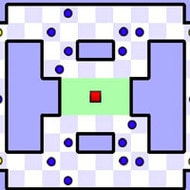
| Track count | 13 official tracks across Summer, Winter, and Desert themes, plus community-made tracks |
| Core mechanic | Race against the clock, restarting instantly to shave time off each attempt |
There is no opposing car to beat in a standard PolyTrack run — the entire loop is you against your own best time, restarting the moment a corner goes wrong rather than pushing through a mistake. That single design choice shapes everything else about how the game plays, and it’s why comparisons to TrackMania-style racing come up constantly in community discussion.
Early laps on any new track are about survival — just reaching the finish without a wall collision. Once you’ve cleared a track once, the actual game begins: shaving fractions of a second off a clean run by braking half a beat later into a corner or carrying more speed through a jump landing.
Restarting instantly, with R or Enter for a checkpoint reset or Backspace for a full track restart, is core to that loop rather than a convenience feature, and players who hesitate to restart after a small mistake tend to improve far slower than those who reset aggressively.
PolyTrack’s official tracks lean heavily on loops and ramps that punish imprecise speed control on entry. Carrying too much speed into a loop can throw the car off the track entirely on the far side, while too little speed fails the loop outright — there’s a narrow window that only becomes obvious after a handful of failed attempts on the same section.
Jump landings work similarly: landing flat and straight preserves speed, while a mistimed jump that lands at an angle bleeds momentum that’s genuinely difficult to recover within the same run. Once you reach the game’s Desert-themed tracks, where jumps and blind corners are combined more aggressively, this landing precision becomes the single biggest factor separating a good time from a great one.
Community-built tracks tend to split into two clear camps: technical courses built around tight, punishing corner sequences, and stunt-focused layouts built to show off exaggerated jumps and loops that would never appear in an official track. Both styles have loyal followings, and which one a player prefers says a lot about whether they enjoy PolyTrack more as a precision racer or a physics playground.
Recent updates added car customization options like paint patterns, wheel rims, and exhaust pipes, none of which affect handling but which matter a lot to players who spend serious hours building and sharing custom tracks. Alongside that, experimental multiplayer lets players race the same track at the same time rather than purely comparing recorded times afterward, which is a meaningfully different feeling than the traditional solo time-trial loop the game was built around.
Longtime players are somewhat split on how much the multiplayer addition matters — some see it as a natural extension of a community already built around comparing times, while others feel PolyTrack’s core appeal was always the solitary, meditative process of shaving down a personal best rather than head-to-head competition. It’s a genuine point of disagreement rather than a settled consensus.
The most common mistake on any unfamiliar track is braking too late out of habit from other racing games, where a slightly late brake is forgivable. PolyTrack’s physics are unforgiving enough that a late brake into a tight corner in PolyTrack often means a full restart rather than a recoverable slide, which is why experienced players brake noticeably earlier than instinct suggests on a first attempt at any new corner.
PolyTrack keeps its appeal almost entirely through that restart-and-refine loop — whether you’re chasing a personal best on one of the Winter tracks or testing a corner sequence you just built in the editor, the game never really ends so much as it keeps offering one more shaveable tenth of a second to chase.


There are no reviews yet. Be the first one to write one.
 Optimized by Seraphinite Accelerator