
















![Hello Kitty [HORROR]](https://gamefyno.com/wp-content/uploads/2025/03/hello-kitty-horror-1.jpg "Hello Kitty [HORROR]")

Simulation Games
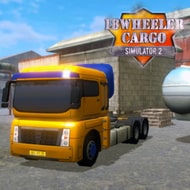









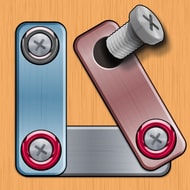


















Recreating real or imagined systems in detail is the focus of Simulation Games. From managing a business to operating machinery, this category is less about fast reactions and more about understanding how interconnected systems respond to your decisions over time.
Systems That Respond to Input
What defines this category is feedback between cause and effect. Adjusting a single variable — pricing, staffing, resource allocation — ripples outward, affecting other parts of the system in ways that aren’t always obvious right away. Learning these relationships is central to improving at any title here.
Common Areas of Focus
- Business and economy management — balancing costs, output, and demand
- Vehicle and machinery operation — controlling equipment with realistic constraints
- City and infrastructure planning — coordinating growth across multiple systems at once
- Life and career simulations — managing schedules, relationships, or daily routines
Balancing Multiple Priorities
Rarely does a single goal exist in isolation within this category. Expanding one area often strains another — more production might require more staff, which in turn requires more space or budget. Recognizing these tradeoffs early tends to matter more than any individual decision.
Long-Term Planning Over Quick Wins
Unlike faster-paced formats, Simulation Games rarely reward impulsive decisions. A choice that looks beneficial in the short term can create problems several stages later, so players who plan several steps ahead generally see steadier results than those reacting only to immediate needs.
Typical Progression Structure
- Early stages introduce core systems with minimal complexity
- Additional variables are layered in as familiarity increases
- Later stages require balancing several interconnected systems simultaneously
Choosing a Starting Point
With so many areas of focus available, the homepage is a useful place to compare current options before committing to one, particularly if you’re deciding between something like business management and a more hands-on operational title.
Patience as the Core Skill
More than reflexes or memorization, this category rewards a willingness to observe outcomes before making further changes. Rushing adjustments without waiting to see their effects tends to create the exact instability that careful planning is meant to avoid.
For players who enjoy understanding how a system works rather than reacting to it moment by moment, this category offers a level of depth that’s hard to find in faster, more reflex-driven formats.
