 (1 votes, average: 5.00 out of 5)
 Loading...
Fullscreen











![Hello Kitty [HORROR]](https://gamefyno.com/wp-content/uploads/2025/03/hello-kitty-horror-1.jpg "Hello Kitty [HORROR]")
 (1 votes, average: 5.00 out of 5)Loading...
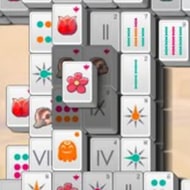
 Crates in MadZOOng are not obstacles to smash through; they are the whole point of the board. Every level fills a crowded grid with animal tiles and crates, and the way to clear a crate is to make two matching animals touch beside it. Once you see that, the game stops being a simple matching puzzle and becomes a small logistics problem about where each animal has to travel.
| Genre | Tile puzzle |
| Goal | Clear the crates before the timer runs down |
| Core action | Click a tile, then click again to move it |
| Scoring | Points for touching matching animals, more for a faster finish |
Every action costs exactly two clicks. First you click a tile with an animal icon to select it, and then you click again to move it to another tile. That is the entire control scheme, which makes the game easy to pick up on a desktop, phone, or tablet and leaves all the difficulty in deciding where to send each animal.
The reward comes when two of the same animal end up touching. You earn points immediately, and any crates next to that pair are destroyed. A good move therefore does two jobs at once, scoring and opening space, and the best moves do both while setting up the next pairing.
Early in the game the boards are forgiving, and a single obvious match often clears a crate or two. Beginners tend to grab every easy pair they see, which feels efficient until those same moves leave the remaining animals stranded on opposite sides of the board.
It is tempting to treat crates as decoration, but they define how you progress. A pair touching in an empty corner earns points and does little else, while the same pair beside a crowded group of crates can clear several at once. Every pairing should be judged by which crates it opens up.
Look at where the crates cluster before you touch any tile. Puzzle planners will enjoy tracing which animal has to travel where, working backward from the crates they want gone. That habit turns a scramble of clicks into a short, deliberate plan.
Once crates start to fill the board, this habit becomes the difference between a run that flows and one that stalls. A player who clears the crates around a stuck animal opens up more options than one who chases a quick pair. Points matter, but crates decide whether you can keep moving.
Every level runs against a timer, and for the maximum points you need to finish before it runs low. The timer changes how you play: what would be a leisurely puzzle becomes a series of decisions you cannot afford to linger over.
Speed scorers will push for the fastest clear, but rushing has a price. A hurried move that separates two animals you needed together can cost more seconds than the careful move would have taken. The quickest runs are usually the ones where the opening moves were planned, not the ones with the fastest clicking.
Casual players who just want to relax can treat the timer as background pressure and aim to finish rather than to max the score. The game supports both styles, although the highest scores belong to whoever combines planning with pace.
The honest weak point is the crowded board itself. When tiles and crates fill nearly every square, the number of useful moves shrinks, and a single careless click can leave two animals boxed in with no clean path to each other. That stuck position is the main source of frustration.
There is also a fair debate about how much of this is skill. Some players find the tightness the best part, since every level feels like a small trap to solve, while others feel one bad move earlier in a level should not sink it so completely. Both views are reasonable, and the tight design will keep dividing puzzle fans.
A detail regulars recognize is the pause between the two clicks, when you have selected a tile and realize the destination you had in mind will block something else. The best players use that second to reconsider.
MadZOOng is at its best when you stop chasing every pair and start reading the crates: send the right animal across the board, let the two-click loop slow you just enough to think, and keep an eye on the timer without letting it choose your moves.

There are no reviews yet. Be the first one to write one.
 Optimized by Seraphinite Accelerator