








![Hello Kitty [HORROR]](https://gamefyno.com/wp-content/uploads/2025/03/hello-kitty-horror-1.jpg "Hello Kitty [HORROR]")

Horror Games









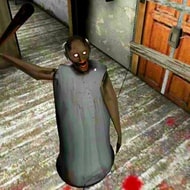


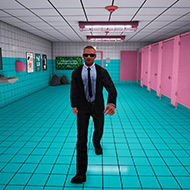
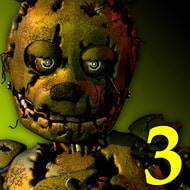
- 1
- 2
Few genres draw players in quite the way Horror does. Dim corridors, creatures that appear when least expected, and puzzles that must be solved while a threat is closing in — this category is built around a single goal: keeping you on edge from start to finish.
Atmosphere Comes First
What separates a memorable entry in this category from a forgettable one is rarely the number of monsters on screen. It’s the buildup. Flickering lights, distant footsteps, and rooms that feel just slightly wrong all work together to unsettle a player long before anything actually happens. Horror titles rely on this slow pressure, letting silence do as much work as any jump scare.
The Creatures You’ll Face
Every entry in the Horror lineup introduces its own cast of threats, and part of the appeal is never knowing exactly what’s waiting around the corner. Common archetypes include:
- Stalkers — enemies that track your movement or noise level rather than simply chasing you
- Environmental threats — traps, collapsing structures, or hazards baked into the level itself
- Shapeshifters — antagonists that change form or behavior as the story progresses
- Silent watchers — figures that only move when you’re not looking directly at them
Survival Matters More Than Combat
Unlike action-heavy titles, most Horror experiences deliberately limit your ability to fight back. Ammunition is scarce, weapons are weak, and running or hiding is often the smarter choice. This scarcity is intentional — it forces decisions under pressure and makes every encounter feel like it carries real weight.
Puzzles Under Pressure
A recurring structure in this category pairs environmental puzzles with a ticking clock. You might need to find a code, align symbols, or repair a mechanism while something is actively hunting you. The tension of solving logic problems while distracted by fear is a hallmark of the genre and one reason fans keep returning to it.
Picking the Right Intensity
Not every player wants the same level of dread, so titles in this section span a wide spectrum:
- Psychological entries that rely on unease rather than gore
- Survival-focused experiences with resource management at their core
- Fast-paced chase sequences built around reflexes
- Story-driven mysteries where fear is secondary to narrative
Building a Session Around Tension
Many players find that Horror works best in short, focused sessions rather than long marathons — the intensity is easier to absorb in bursts. If you’re new to the category, our homepage lists a rotating selection that ranges from lighter suspense to genuinely unsettling territory, making it easy to find an entry point that matches your tolerance.
Sound Design as a Weapon
Headphones change everything here. Directional audio cues — a creak behind you, breathing that shouldn’t be there — are often the first warning sign of danger, arriving well before anything visual does. Playing with sound off strips away a large part of what makes these titles effective, so it’s worth adjusting your setup before diving in.
Whether you’re drawn to slow-burning dread or sharp, sudden scares, this category rewards patience and attention. Approach each level carefully, listen closely, and treat every quiet moment as a warning rather than relief.
