 (No Ratings Yet)
 Loading...
Fullscreen














![Hello Kitty [HORROR]](https://gamefyno.com/wp-content/uploads/2025/03/hello-kitty-horror-1.jpg "Hello Kitty [HORROR]")
 (No Ratings Yet)Loading...
 You slide a cassette into the recorder, press play, and Bella’s recorded voice answers back half a second later than it should. Nothing about that delay is in the manual. In Play Things, noticing details the job never officially asks you to notice is exactly how you keep the wrong doll from making it out of the facility.
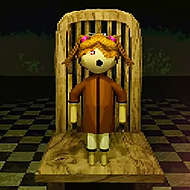
Every doll that comes through your station gets run through the same five diagnostics: an Audio Test, a Name Call Test, a Photograph Capture Test, a Temperature Test, and a Physical Discomfort Test. Each one is designed to surface something a normal doll shouldn’t be capable of, and your job is to read the results and stamp a final verdict — Ok, or Dangerous — before the next doll arrives.
The nineteen dolls that rotate through Normal Mode range from clearly unsettling — Erid, Tracy, a doll simply named Karen — to ones that seem almost harmless right up until one test result contradicts everything else you’ve observed about them, like Olga or Victoria. Mr. Bunbun stands out specifically because his results are the hardest to read consistently, making him a common source of wrong verdicts even among players who’ve cleared the facility before.
Between shifts, a thin narrative layer follows Arnold, Sophie, and Ashley, hinting at why this testing facility exists at all and what happens to the dolls marked Dangerous once they leave your station. The game doesn’t over-explain this thread — most of what you learn comes from environmental details rather than direct exposition, which keeps the doll-testing loop as the clear main focus.
Late-game lore points toward something called the Mekoro cult, mentioned just enough to imply a larger explanation the current game isn’t fully interested in providing. That thread is reportedly being picked up more directly in separate, related material outside this specific game, which is part of why current players treat the Mekoro references as a hook rather than a fully answered mystery.
One of the more talked-about sequences in Play Things happens during a scripted power outage, when Lily initiates something closer to hide-and-seek than a standard diagnostic test. Surviving that sequence and finding your way to a figure known only as the Craftsman opens up alternate content most players never see on a straightforward first run, since nothing about the earlier testing loop suggests hide-and-seek is coming.
With four endings tied to how consistently and carefully you test each doll, most full playthroughs run a little over an hour — short enough to replay chasing the Craftsman path, long enough that a single missed Physical Discomfort reading on Kate or Bella can genuinely change which doll makes it out marked Ok. A small detail players specifically bring up afterward: the game reads your actual computer’s name at one point during testing, a quiet touch that turns a routine diagnostic into a much more personal jump for anyone not expecting it.
What makes Play Things memorable isn’t any single scare — it’s the accumulated unease of trusting five tests you eventually realize were never designed to catch everything, and the growing suspicion that somewhere between Bella’s delayed recording and Mr. Bunbun’s inconsistent readings, you’ve already stamped one doll wrong.

There are no reviews yet. Be the first one to write one.
 Optimized by Seraphinite Accelerator