 (1 votes, average: 5.00 out of 5)
 Loading...
Fullscreen















![Hello Kitty [HORROR]](https://gamefyno.com/wp-content/uploads/2025/03/hello-kitty-horror-1.jpg "Hello Kitty [HORROR]")
 (1 votes, average: 5.00 out of 5)Loading...
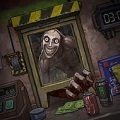
 That’s Not My Mom! begins with a familiar domestic situation that quickly becomes a test of recognition and judgment. The player must decide whether the person at the door is truly the expected visitor or an imitation using familiar behavior to appear safe.
The game’s central mechanic is simple: inspect the visitor, compare details, and decide whether to allow entry. The tension comes from incomplete information. A face, voice, clothing detail, or response may appear normal while another clue suggests something is wrong.
Early in the game, learn which details are reliable and which are designed to create confusion. Beginners often focus on one obvious feature, but the game rewards comparing several clues before making a decision.
Horror players will recognize the appeal of “spot the difference” gameplay, but the consequences make each observation more stressful. A small mistake can turn a routine interaction into a dangerous encounter.
The best strategy is to establish a consistent inspection routine. Look at appearance, listen to answers, and compare the visitor’s behavior with what you expect. The game becomes harder when the imitation is convincing in most ways but fails one specific test.
A common beginner mistake is accepting a familiar voice or emotional appeal as proof. The visitor may use urgency, kindness, or irritation to push the player into a rushed decision. Slow down and check the details that can be verified.
Some players enjoy the deduction, while others dislike situations where clues feel ambiguous. That criticism is fair because the game’s tension depends on whether the player believes the evidence is understandable rather than arbitrary.
Community players often use terms such as “tell,” “false positive,” and “door check.” A tell is a small inconsistency that exposes the imitation, while a false positive occurs when a player rejects a genuine visitor.
Deduction-focused players will compare details carefully. Fast-reacting players may struggle if they decide before completing the inspection. Horror fans often enjoy the moment when an ordinary conversation becomes threatening because one tiny detail no longer fits.
A memorable playing detail is the change in tone after the player notices something that cannot be explained away. The game does not need constant movement; recognition itself becomes the source of fear.
Use a repeatable routine: inspect appearance, listen to answers, and compare the details with what is expected. That’s Not My Mom! rewards careful comparison more than instinctive acceptance.
A tell is a small inconsistency that suggests the visitor is an imitation. It may involve appearance, speech, behavior, or a response that does not match the expected person.
The game turns an everyday decision into a high-consequence judgment. A rushed response can produce a false positive or allow danger inside, so every clue carries pressure.
That’s Not My Mom! builds horror from a single doorstep decision and the fear of trusting the wrong familiar face. Careful inspection, reliable clue checking, and resistance to emotional pressure are more valuable than rushing to answer.

There are no reviews yet. Be the first one to write one.
 Optimized by Seraphinite Accelerator