 (No Ratings Yet)
 Loading...
Fullscreen










![Hello Kitty [HORROR]](https://gamefyno.com/wp-content/uploads/2025/03/hello-kitty-horror-1.jpg "Hello Kitty [HORROR]")
 (No Ratings Yet)Loading...
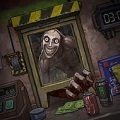
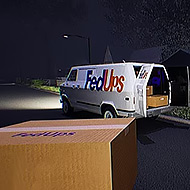
 What do you do when the gate you just latched is standing open again? Death Delivery builds its whole horror premise around that question. You are running a night route, dropping packages at houses that look a little too dark, and every stop ends the same way: check the door, check the gate, make sure it is closed. The game never explains what happens if you get it wrong, and the silence after a mistake speaks for itself.
There is no combat here and no inventory to manage. The loop in Death Delivery comes down to one action: approach an entrance, confirm it is shut, and move on. A door that looked closed a second ago might not be closed once you glance back, and the pacing leans on that uncertainty.
Beginners tend to rush this part, clicking through checks like items on a list, and that habit gets punished. The design rewards players who slow down and wait a beat before deciding a door is secure. Treating a check like an afterthought is the biggest mistake new players bring into Death Delivery.
As the route goes on, the game stops giving you the benefit of the doubt. Early stops are forgiving, with obvious cues when something is wrong, but later deliveries strip those cues away until sound is all you have, a creak, a scrape, a hinge that should not move. That shift is where Death Delivery earns its reputation among fans of dread-driven rounds.
Because there is so little on screen to react to, most of the actual play happens in your head. Cautious players develop a personal rule, like never turning their back on a gate until they hear it click, while speed-focused players push through and accept an occasional loss as the cost of a fast route. Both styles show up in comment sections often.
One thing almost everyone agrees on is that pacing is uneven. Some deliveries stretch with barely anything happening, while others stack two or three warning sounds back to back with no room to breathe, a common complaint even from players who enjoy the format.
The detail most players remember is not a specific scare but the sound design between them, a streetlamp hum, footsteps that do not match your own pace, small things that make a stop feel occupied when nothing is visibly there.
Death Delivery works because it trusts a small idea, that forgetting to double-check a gate can be scarier than anything chasing you outright, and it stretches that idea across a whole route without ever showing its hand.

There are no reviews yet. Be the first one to write one.
 Optimized by Seraphinite Accelerator