
 (No Ratings Yet)
 Loading...
Fullscreen





 (No Ratings Yet)Loading...
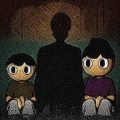
You walk down a path in the woods toward a cabin, and a Narrator tells you the world ends unless you kill the Princess waiting in the basement. In Slay The Princess you go down the stairs, you meet her, and you find out how little of the plan survives that first conversation. The setup sounds like a standard hero quest, and the first few minutes are built to make you believe that.
| Genre | Voiced horror visual novel with dialogue choices |
| Players | 1 |
| Core loop | Meet the Princess, make a choice, face the consequences, begin again |
| Edition | The Pristine Cut adds 3 new chapters and over 35% more content |
| Content note | Extreme violence and strong language |
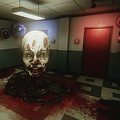
Everything starts on that path, and the Narrator never lets you forget the stakes. He is cheerful, insistent, and openly annoyed whenever you wander from the plan. The cabin is small and the basement holds a single Princess, so the story is not about exploring a world but about how one conversation can fracture into dozens of outcomes.
The pitch is simple. Slay her, or the world ends. Don’t, and see what happens.
Fans of branching narrative and horror comedy tend to settle in quickly, because the writing alternates between genuinely unsettling imagery and sharp, self-aware humor. If you only want a straightforward fantasy quest, this will not be that, and the game makes sure you learn it early.
The core loop is conversational rather than mechanical. You pick what to say and what to do, the Narrator reacts, and the Princess you meet is shaped by those choices. A hostile approach produces one kind of Princess and a gentle approach produces another, which is why two players can describe wildly different versions of the same basement. A typical loop runs like this:
Beginners usually fight the story. They try to fix everything in one run, or they repeat the same choice expecting a different result, and the Narrator is happy to point out the pattern. The better approach is to commit to a route, let it go wrong, and treat each ending as information.
Early on the choices feel binary, but by the time you reach the second chapter the branching is wide enough that no two players hold the same list of memories.
Besides the Narrator, you hear Voices in your head, and each one pushes you toward a different attitude. They are a mechanic and a joke at the same time, because the Voices disagree with each other and with you.
These Voices are also how the game remembers you. The ones you listen to shape the tone of later choices, so a Skeptic playthrough reads very differently from a Smitten one.
Players who love character-driven horror often name the Voices as their favorite part, because each one gives you a different way to be wrong.
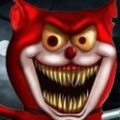
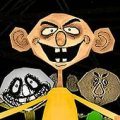
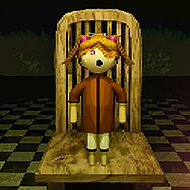
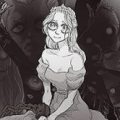
The Princess does not stay one person. Depending on what you did in the basement, the next chapter introduces a new form: the Damsel, the Beast, the Witch, the Prisoner, the Razor, the Adversary, the Tower, and more. Each one comes with its own tone, its own danger, and its own question about what the Narrator wants from you.
The Pristine Cut expands three familiar routes, The Den, The Apotheosis and The Fury, each more than doubling in length, and adds three new chapters with Princesses you could not meet before. That is part of why the edition carries over 35% more content, including a new ending that tries to save the world instead of damning it.
Route hunting becomes a pastime for completionists, who keep the gallery open and chase the chapters they have not seen.
The biggest complaint is repetition. Each loop reuses locations and sometimes dialogue, and a second route can feel familiar before it surprises you. The writing varies enough to reward patience, but players who dislike rereading setup beats may start to skim.
Another debate is length versus impact. A full set of routes takes many hours, which is exactly why the Pristine Cut’s added content pleases fans and exhausts anyone who already felt the original was long.
A third point is tone. The game is a horror tragicomedy with extreme violence and strong language, so the jokes and the gore sit side by side. Some players find that mix perfect, and others find the humor undercuts the dread.
No. The Narrator insists that you must, and his whole plan depends on you obeying, but you can choose differently. Every choice shapes the Princess you meet next, so refusing is one of the ways the story branches.
It adds 3 new chapters, new Princesses, expanded routes for The Den, The Apotheosis and The Fury, over 1,200 new hand-penciled frames, and more than 2,500 new lines of dialogue. It also includes a gallery for tracking progress and a new ending.
It is a horror tragicomedy, so the fear is psychological and the violence is graphic. Expect dread, shocking transformations of the Princess, and the Narrator’s jokes cutting through it.
Slay The Princess works because the Narrator, the Voices and the Princess in the basement all keep changing what the next choice means. Walk the path, pick up the story in whichever chapter you land in, and see which Princess your choices decide to meet.

There are no reviews yet. Be the first one to write one.
 Optimized by Seraphinite Accelerator