 (1 votes, average: 5.00 out of 5)
 Loading...
Fullscreen
















![Hello Kitty [HORROR]](https://gamefyno.com/wp-content/uploads/2025/03/hello-kitty-horror-1.jpg "Hello Kitty [HORROR]")
 (1 votes, average: 5.00 out of 5)Loading...
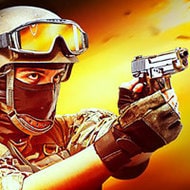
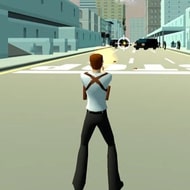
 Mob City looks like it’s promising a sprawling criminal empire to take over, but the moment you’re actually walking city streets with a gun in hand, it plays like a much tighter mission-based shooter. You move on foot through a crime-filled city, taking down criminals and protecting targets one mission at a time, and the gap between the game’s ambitious pitch and its actual moment-to-moment gunfights is exactly where most player opinions on Mob City start.
| Genre | Action shooter |
| Platform | Browser and mobile |
| Core Objective | Complete missions by eliminating criminals and protecting targets |
| Structure | Mission-based runs through a crime-filled city |
Movement runs on WASD or the arrow keys, while aiming and shooting are handled separately with the mouse or a touch input, which means positioning and aim are two different skills you’re managing at once rather than one combined stick input. That split control scheme is simple to learn but easy to fumble under pressure, especially once a gunfight has multiple enemies covering different angles.
Because aim isn’t locked to your movement direction, Mob City rewards players who can strafe away from incoming fire while still keeping a clean shot lined up on a target. New players tend to do one or the other — move well and miss shots, or aim well while standing still and taking hits.
Health packs scattered through the city are the main way to recover after a rough exchange of fire, and running a mission without knowing where the nearest one sits is a common reason otherwise winnable fights end in a restart.
Objectives generally come down to two flavors: taking down criminals directly or protecting a target while enemies close in from multiple directions. The second type demands a different pace entirely — instead of pushing forward, you’re managing space around whoever you’re protecting while still handling incoming threats.
Weapons and ammo picked up mid-mission change how aggressively you can play the rest of it. Running dry mid-firefight with no pickup in sight forces a retreat to cover rather than a clean push through remaining enemies, which is often the actual difficulty spike in a given mission rather than the enemy count itself.
Some players treat every mission as a straight shootout, while others lean on nearby cars and building cover to peek and retreat repeatedly, a slower style the community sometimes calls cover-hopping, trading speed for a much lower risk of getting caught out in the open.
Players chasing efficient runs often talk about headshot chaining — stringing together precise shots on multiple enemies in a row rather than spraying and relying on volume of fire, which stretches limited ammo pickups much further across a mission.
Despite marketing language that leans heavily on criminal empire-building, the actual gameplay centers on mission-based shootouts, movement, and cover — protecting targets and eliminating criminals rather than managing territory or running a business.
Positioning around the target matters more than raw aim. Using nearby cover to control which direction enemies can approach from, rather than standing exposed near the target, keeps a protect mission from spiraling into an unwinnable crossfire.
This usually comes down to relying on continuous fire instead of aimed, single shots. Since ammo and weapon pickups are scattered rather than guaranteed, conserving shots and prioritizing headshots stretches what you’re carrying much further than spraying at approaching criminals.
Mob City’s actual strength sits in its cover-based gunfights and mission variety between straight eliminations and target protection, even if its framing oversells the criminal underworld it’s set in. Whatever the marketing promises about ruling the streets, the moment-to-moment loop of ducking behind a car, lining up a headshot, and tracking down the next health pack is what actually keeps a mission in Mob City worth finishing.


There are no reviews yet. Be the first one to write one.
 Optimized by Seraphinite Accelerator