

 (No Ratings Yet)
 Loading...
Fullscreen















 (No Ratings Yet)Loading...
In Mewgenics you begin at home, handing collars to a handful of cats and deciding which of them are worth risking in a fight, which matters because every cat that comes back from an adventure retires and becomes breeding stock. That single rule turns a turn-based tactics roguelite into a long conversation between the battlefield and the nursery.
| Genre | Turn-based tactics roguelite with breeding |
| Party | Four cats per fight |
| Battles | Isometric grid maps |
| Home loop | Breed, furnish and manage the house |
| Retired cats | Veterans return as parents |
Mewgenics splits into two loops that feed each other. On the battlefield you guide a party of four felines across compact grid maps, using positioning, status effects and ability synergies to survive. At home you manage the house, feed the brood with the food and coin that returning cats carry back, and plan the next generation.
The fights look familiar if you have played Final Fantasy Tactics or Fire Emblem, but the roguelite structure adds pressure that those games never apply. Enemies range from flies and mutant rats to fetuses and floating pieces of excrement, and the bosses are showpieces. Radical Rat is one of them.
Before you leave the house you put a collar on each cat, and that collar turns it into a class. Collars are the reason two cats with identical stats can play completely differently, and they are the first lever beginners should learn. A cat with a strong stat spread but the wrong collar will feel useless, while a modest cat with a good collar can still pull its weight.
Breeding is where the game earns its reputation. Cats inherit stats from their parents, but they also inherit genetic mutations and disorders, so a promising litter can carry a hidden cost. Retired cats cannot go back out on adventures, which makes every parent a final decision about what the next generation looks like. Players who enjoy genetics puzzles will lose entire evenings here.
Comfort matters before anything else. Cats will not breed unless the room is comfortable enough, and there is real craft in decorating rooms so the cats with the best stats end up together. Furniture that improves breeding success is part of the upgrade path, and weaker cats can be discarded to unlock shops, features and further upgrades. That rule is the sharpest edge of the dark humor, and not everyone finds it funny.
A common beginner mistake is breeding purely for the highest stat total while ignoring the mutations and disorders that come with it. Another is hoarding cats: with a roster that can climb past thirty, trait information is spread across screens, so keeping the roster lean saves real headaches later.
Early in the game the sewers teach you how fights work, and losses are cheap to recover from. As you push into deserts and deeper regions, enemy variety grows and mistakes in positioning begin to cost you cats you have spent hours raising. Hard losses are part of the roguelite deal, and reviewers joke about forming an unhealthy relationship with the game.
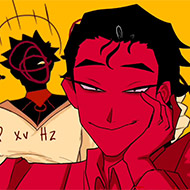
Once a boss like Pyrophina shows up, a four-cat party stops being a collection of units and becomes a puzzle of turn order, status effects and range. Losing a favorite cat genuinely stings, because breeding makes each one feel like an individual.
Positioning, status effects and ability synergies stack and intersect, and the strongest teams are built around interactions rather than raw numbers. Min-maxers tend to find the cleverest combinations by testing small collar and ability swaps between runs.
No matter how warmly reviewers speak about the game, the interface is the most repeated complaint. With a roster that can pass thirty active cats, trait information is spread across screens and tracking who carries which mutation becomes a chore. The depth is real, but holding all of it in your head takes work.
The second issue is tone. The humor is crude and the breeding premise is deliberately uncomfortable, so it will not be for everyone. Tactics fans who want something clean and serious may find the chaos exhausting, while fans of messy roguelites feel at home in it.
Length is a double-edged point as well. Reviewers regularly mention thirty hours or more before the full picture appears.
Mewgenics rewards the player who treats every retired cat as a future parent and every collar as a promise about the next fight. The loop of breeding in a comfortable house, then sending four cats toward Pyrophina, is why the game keeps its hooks long after the novelty of the humor fades.


There are no reviews yet. Be the first one to write one.
 Optimized by Seraphinite Accelerator