

 (No Ratings Yet)
 Loading...
Fullscreen












 (No Ratings Yet)Loading...
You push open the village gate with a bag of parcels on your shoulder, and before Tom reaches the first door she is already staring at a lit window. Nobody told her to stop. In Tom the Postgirl, that little hitch in her walk is the moment the whole game shows its hand, because the delivery route is only an excuse for everything else.
| Genre | Narrative adventure with dark comedy |
| Players | Single player |
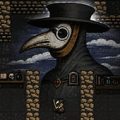
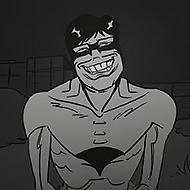
| Setting | A hand-drawn, black-and-white village |
| Core action | Walking, peeking, delivering or opening parcels |
| Tone | Creepy-cute, crude and unpredictable |
Controls are about as light as an adventure gets. Tom can walk, run and interact, and the great majority of interactions boil down to looking at something. There is no inventory to juggle and no combination puzzle waiting behind the first fence, so the opening stretch feels closer to strolling through a moving comic strip than to solving anything. The frame-by-frame animation gives even an empty lane a slightly twitchy pulse.
The real hook arrives with the first parcel. Every package puts the same two options in front of you: carry it to the door as the job demands, or tear it open and see what the neighbor ordered. Nothing on screen scolds you either way, and that quiet permission is what makes the choice sting.
Most players describe the early stretch as a slow tilt from cute to unsettling. A tidy cottage stays tidy, but the longer you stand beside its window, the more Tom’s curiosity starts to feel like the point of the game rather than a quirk of her personality.
Peeping is not a vague mood here; it is wired into the map. Hidden observation points sit around houses, fences and sheds, and reaching one lets Tom watch a resident who believes nobody is around. Players call this the walk-and-stalk loop, a cheeky answer to the point-and-click habit, and a few simple habits make the hunt easier:
Curious players who like to comb every corner will feel at home here. Anyone who prefers a clear objective marker may find the lack of signposting a little vague, and that is a fair complaint.
The game openly invites small acts of vandalism. Tom can trample garden flowers, cut hedges and steal decorations, and none of it is required, which is exactly why it is tempting. Early on, house rules such as staying on the paths and leaving the flowers alone feel like what the game expects. Breaking them feels less like cheating than like discovering the stage was open all along.
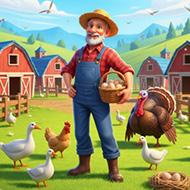
One moment players bring up often: after glimpsing something odd in the town barn, you decide the local farmer is not worth his delivery, and the parcel turns out to hold a fire extinguisher with no fire anywhere. The joke works precisely because it explains nothing.
A fair warning, though. The crude humor and a few disturbing scenes will not suit everyone, and resistance is close to absent, so the tension is moral and comic rather than mechanical.
No. Walking, running and interacting are the entire toolkit, and nothing punishes you for peeking or for wrecking a hedge. The challenge is deciding how far Tom goes, not surviving.
Delivering is always available, but opening is where much of the strange comedy lives, as the farmer’s fire extinguisher shows. Mixing honest deliveries with a few peeks gives a better picture of the village than going all one way.
Many players say yes, since observation points are easy to miss on the first pass. A second route also lets you try the vandal choices you skipped, which makes a short story feel larger than its runtime.
Tom the Postgirl rewards a particular kind of nosiness: standing at a window a few seconds longer than is polite, then deciding whether the farmer’s parcel reaches the door or gets opened on the spot. That tug between duty and the urge to peek is what lingers after the last lane, and it is why the village of strange neighbors stays in memory.

There are no reviews yet. Be the first one to write one.
 Optimized by Seraphinite Accelerator