 (No Ratings Yet)
 Loading...
Fullscreen






![Hello Kitty [HORROR]](https://gamefyno.com/wp-content/uploads/2025/03/hello-kitty-horror-1.jpg "Hello Kitty [HORROR]")
 (No Ratings Yet)Loading...
 (1 votes, average: 5.00 out of 5, rated)
  (1 votes, average: 5.00 out of 5, rated)
  (1 votes, average: 5.00 out of 5, rated)
  (1 votes, average: 5.00 out of 5, rated)
  (1 votes, average: 5.00 out of 5, rated)
 The bone pile sits at zero, the graveyard is quiet, and the only thing standing between silence and a full undead army is how many times you’re willing to click. That’s the opening state of Right Click to Necromance, and it doesn’t stay quiet for long.
| Genre | Idle and incremental clicker |
| Core resource | Bones |
| Unit tiers | Skeleton, Warrior, Wizard |
| Primary input | Mouse clicking |
Every run starts the same way: click to generate bones, spend bones raising skeletons, and let those skeletons start feeding the pile on their own. From there the whole thing snowballs.
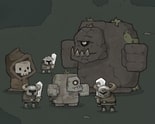
Skeletons are the cheapest unit and the first thing every run leans on, since a handful turns clicking into a background hum. Beginners tend to hoard bones waiting for a bigger purchase instead of reinvesting into skeletons early, which slows the whole curve down.
Warriors show up once the bone pile can support them, and they change the math rather than just adding to it — a warrior produces more per unit than a skeleton, but costs enough that buying one too early can stall a run instead of speeding it up.
Wizards sit at the top of the tier list, and they’re the unit most players complain about waiting for. By the time one is affordable, the bone economy has usually shifted enough that the early skeleton-heavy approach stops being optimal.
The three tiers aren’t interchangeable versions of the same unit — they’re a soft progression system, and the ratio between what you own matters more than the raw count. A pile of skeletons with no warriors mixed in eventually caps out.
A smaller number of wizards backed by a wider base of skeletons and warriors tends to keep generating bones long after a skeleton-only approach flattens out. Getting that balance right is most of what separates a fast run from a slow one.
Early on, every click matters because there’s no passive income to lean on yet. Once a few skeletons are active, clicking starts feeling more like a top-up than the main event. By the time warriors enter the picture, most of the bone total comes from the army itself rather than the cursor.
That shift is honestly divisive. Some players enjoy watching the numbers climb on their own once the army is established, while others feel the game peaks the moment clicking stops mattering, since the literal click the title is built around goes almost decorative once automation takes over.
Community vocabulary borrows from other incremental games — players talk about snowballing once warriors kick in and hitting a wall whenever bone income can’t keep pace with the next tier’s cost.
Players chasing the fastest wizard tend to sacrifice early skeleton reinvestment and stall harder for it, while patient players who build a wide skeleton base first usually reach the same wizard count sooner despite feeling slower at the start.
Completionist players tend to keep a session running well past the point where clicking adds anything, just to watch the tier balance keep shifting on its own — there’s no new mechanic waiting past the wizard tier, just a longer runway for the same three units to keep compounding.
Reinvesting into skeletons rather than sitting on bones is the fastest early accelerant, but once warriors are active, the bigger gain comes from balancing warrior count against skeleton count instead of chasing either exclusively.
Warriors offer a middle-tier jump in bone output for a moderate cost, while wizards cost far more but generate at a rate that eventually outpaces several warriors combined. The tradeoff is patience — a wizard bought too early slows a run down instead of speeding it up.
Yes — once skeletons, warriors, and wizards are in play, they generate bones continuously on their own, turning the early clicking grind into the passive back half most long sessions eventually settle into.
Right Click to Necromance ends up being less about the click itself and more about what that first pile of skeletons turns into once warriors and wizards start doing the actual work — a single small action at the start that quietly builds into an army that barely needs you by the end.
There are no reviews yet. Be the first one to write one.
 Optimized by Seraphinite Accelerator